
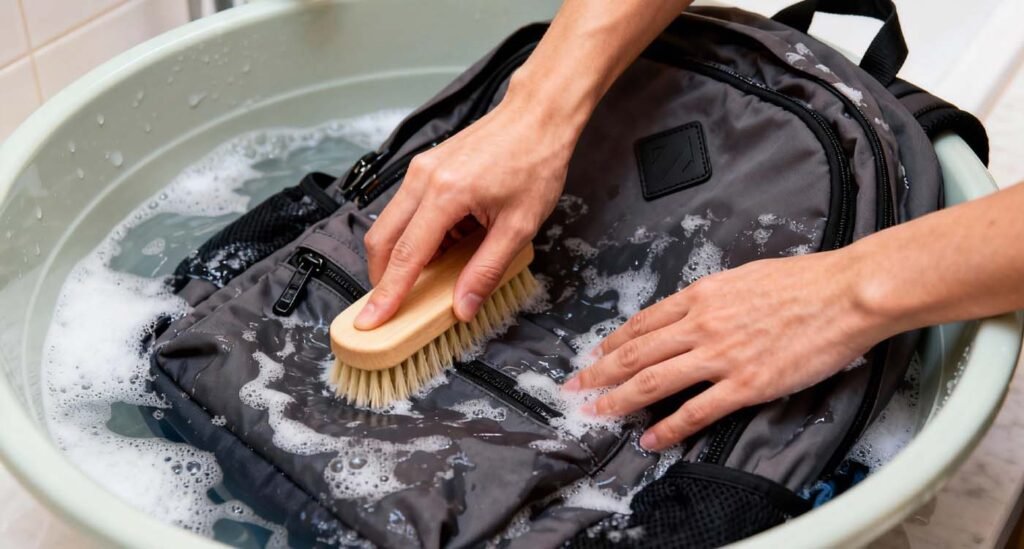
Learning how to clean a backpack properly extends its lifespan, maintains hygiene, and keeps it looking fresh whether you use it for school, work, hiking, or travel. Regular backpack cleaning prevents odor buildup, removes harmful bacteria, and protects the fabric from long-term damage caused by dirt, sweat, and environmental exposure that accumulates through daily use.
Understanding the right methods to clean a backpack based on its material, construction, and level of soiling ensures you effectively remove dirt without damaging zippers, straps, padding, or special coatings. This comprehensive guide covers everything from quick spot cleaning to deep machine washing, helping you maintain your backpack cleaning routine with confidence and ease.
Why Regular Backpack Cleaning Matters
Health and Hygiene Benefits
Bacterial Growth Prevention: Regular backpack cleaning addresses serious hygiene concerns:
- Bacteria accumulation from sweat, food spills, and daily handling
- Mold and mildew growth in damp compartments and pockets
- Allergen buildup including dust mites and pollen
- Odor prevention stopping smell development before it becomes permanent
- Skin health protection preventing breakouts from dirty straps
- Germ transmission reduction especially important during flu season
Longevity and Appearance:
- Fabric preservation preventing dirt from breaking down fibers
- Zipper protection removing debris that causes jamming
- Color maintenance keeping bags looking newer longer
- Stain prevention treating spots before they set permanently
What You Need Before You Clean a Backpack
Essential Cleaning Supplies
Basic Cleaning Kit:
- Mild detergent or gentle soap (dish soap works well)
- Soft-bristled brush or old toothbrush for scrubbing
- Clean cloths or sponges for wiping and rinsing
- Large basin or bathtub for soaking if needed
- White vinegar for odor removal and disinfection
- Baking soda for deodorizing and stain treatment
- Lukewarm water (not hot, which can damage coatings)
Optional Specialized Products:
- Fabric-specific cleaners for leather or technical materials
- Stain removers for stubborn marks
- Waterproofing spray for post-cleaning protection
- Antibacterial spray for added disinfection
How to Clean a Backpack: Step-by-Step Methods
Method 1: Spot Cleaning (Quick Maintenance)
When to Use: Spot cleaning works for minor dirt, small stains, and regular maintenance between deep cleanings.
Step-by-Step Spot Cleaning:
Step 1: Empty the Backpack
- Remove all contents from every compartment and pocket
- Shake vigorously outdoors to dislodge loose debris
- Vacuum interior using brush attachment if available
- Check all pockets ensuring nothing remains inside
Step 2: Prepare Cleaning Solution
- Mix lukewarm water with small amount of mild detergent
- Create gentle solution (1 tablespoon soap per 2 cups water)
- Test on hidden area ensuring no color bleeding or damage
Step 3: Clean Affected Areas
- Dip cloth in cleaning solution and wring out excess
- Gently scrub stains using circular motions
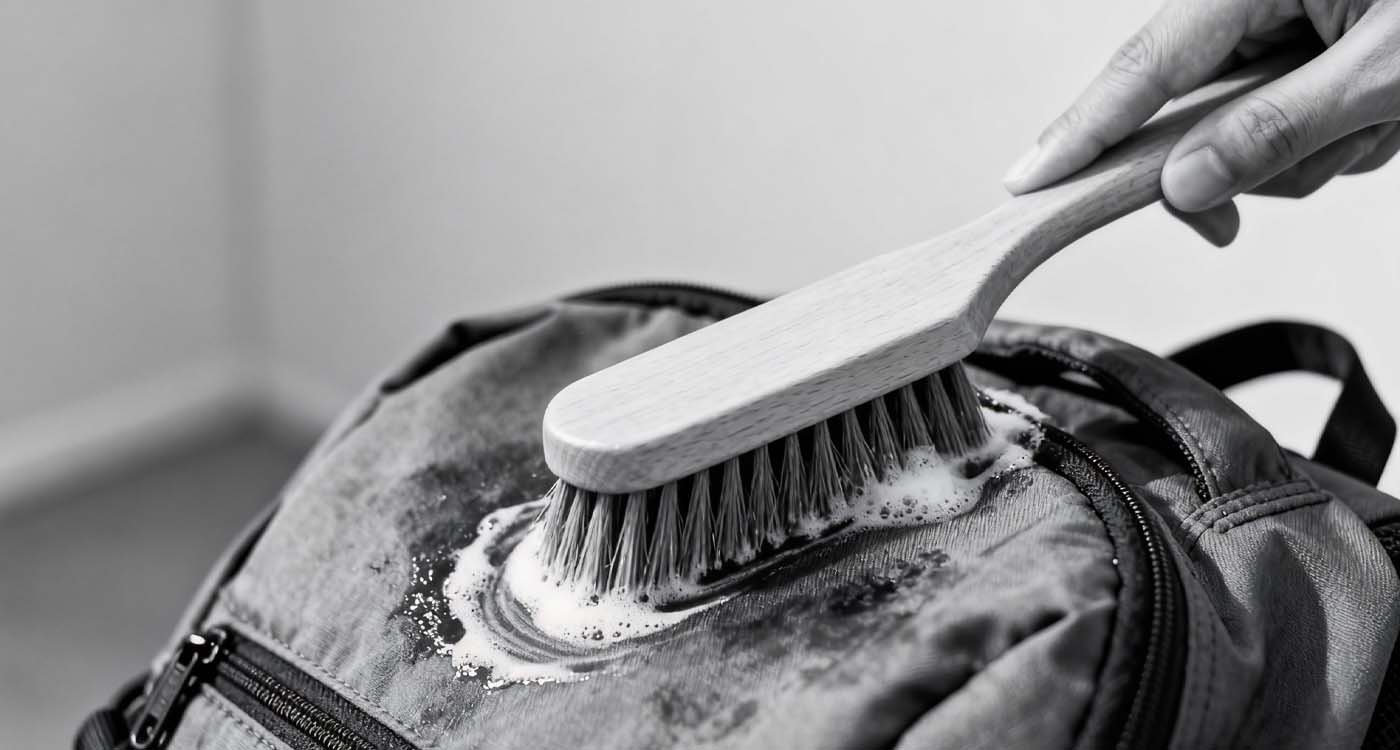
- Use soft brush on textured fabrics for deeper cleaning
- Focus on problem areas like straps, bottom, and high-touch zones
Step 4: Rinse and Dry
- Wipe with clean damp cloth removing all soap residue
- Pat dry with clean towel absorbing excess moisture
- Air dry completely in well-ventilated area away from direct sunlight
Method 2: Hand Washing (Deep Cleaning)
When to Use: Hand washing is ideal for backpacks with leather details, special coatings, or when machine washing isn’t recommended.
Complete Hand Washing Process:
Step 1: Pre-Treatment
- Empty all compartments and remove detachable parts
- Brush off loose dirt with dry brush outdoors
- Pre-treat stains with stain remover or baking soda paste
- Let stain treatment sit for 15-30 minutes before washing
Step 2: Prepare Washing Basin
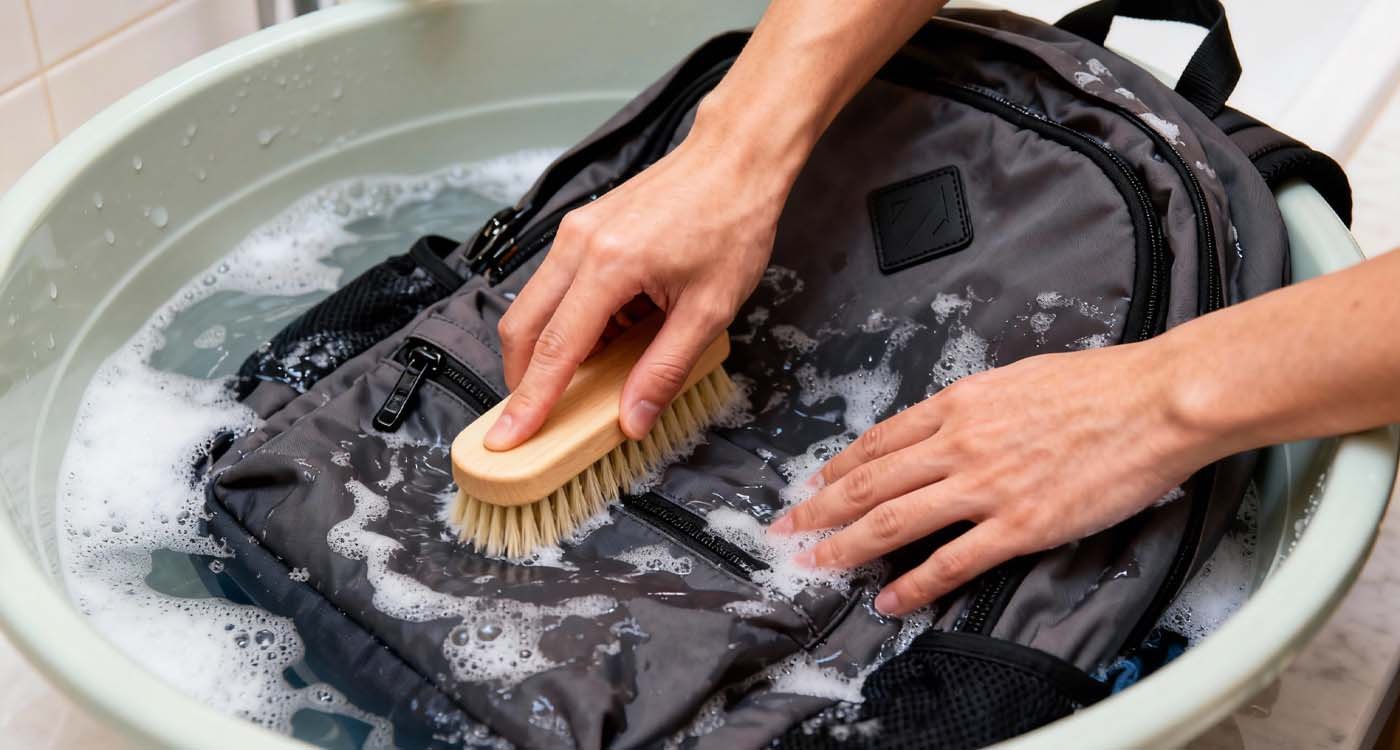
- Fill large basin or bathtub with lukewarm water
- Add mild detergent (2-3 tablespoons for full backpack)
- Mix thoroughly creating sudsy solution
- Submerge backpack allowing water to penetrate all areas
Step 3: Wash Thoroughly
- Gently agitate working soap through fabric with hands
- Use soft brush on particularly dirty areas
- Pay special attention to straps, back panel, and bottom
- Soak for 30 minutes if heavily soiled
- Work through all compartments ensuring complete cleaning
Step 4: Rinse Completely
- Drain dirty water and refill basin with clean water
- Rinse multiple times until water runs clear and no soap remains
- Press out excess water without twisting or wringing
- Final rinse ensuring all detergent is removed
Step 5: Dry Properly
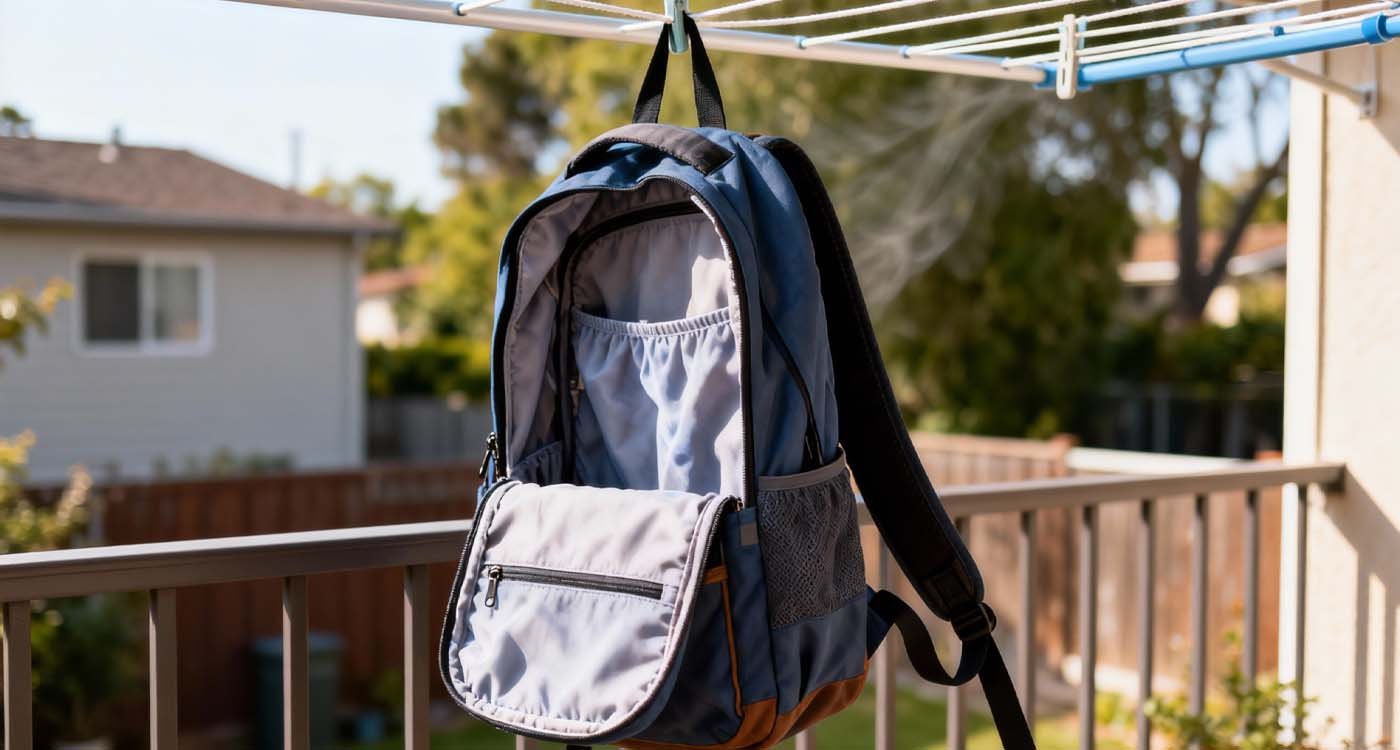
- Hang upside down or over shower rod for drainage
- Open all compartments allowing air circulation
- Stuff with towels helping maintain shape while absorbing moisture
- Air dry completely (24-48 hours) in ventilated area
- Avoid direct sunlight which can fade colors and damage materials
Method 3: Machine Washing (For Durable Backpacks)
Important Warning: Only machine wash a backpack if the care label specifically allows it. Many backpacks have delicate components, coatings, or structures that machine washing can damage.
When Machine Washing Is Safe:
- Canvas backpacks without special coatings
- Polyester bags marked as machine washable
- Simple school backpacks without complex features
- Bags without leather, cardboard, or rigid frames
Machine Washing Steps:
Step 1: Preparation
- Empty completely checking all pockets thoroughly
- Pre-treat stains with stain remover or paste
- Close all zippers and buckles preventing snagging
- Turn inside out if possible protecting exterior
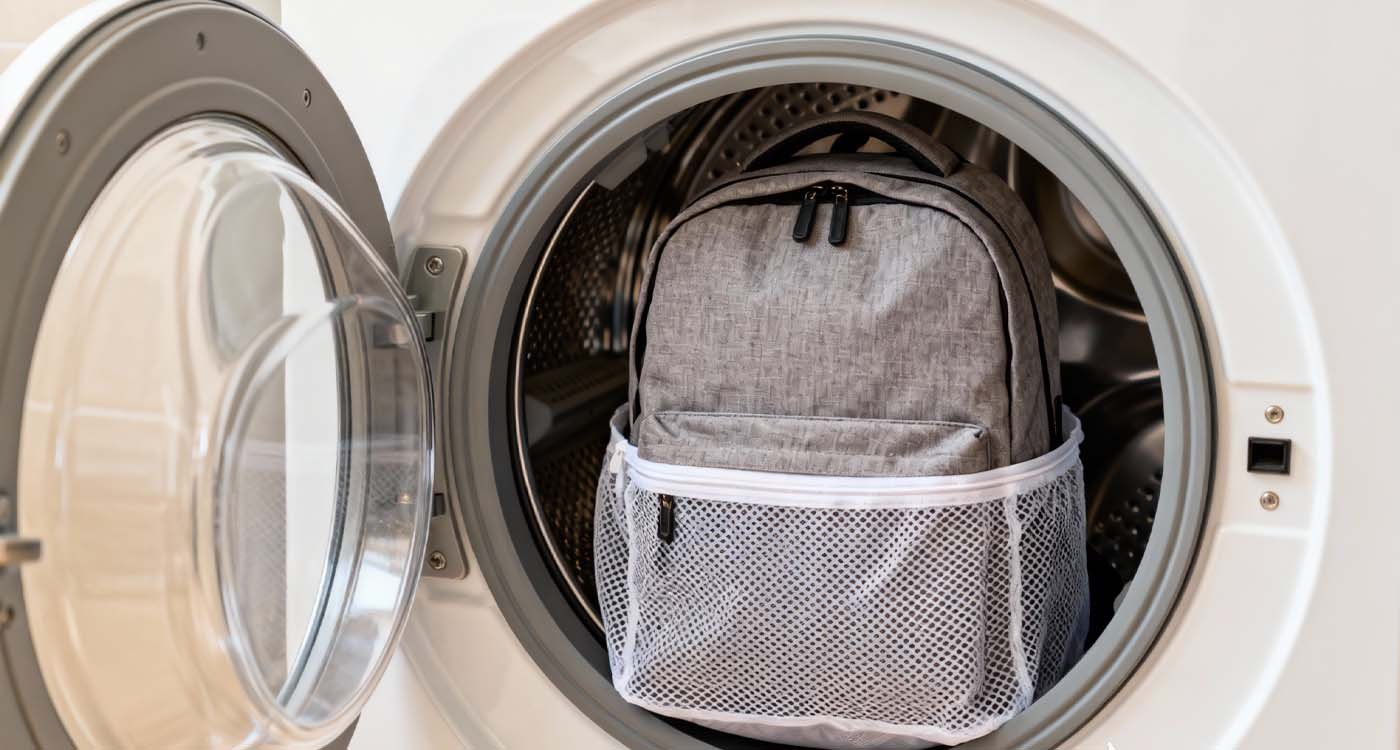
- Place in mesh laundry bag or pillowcase for extra protection
Step 2: Washing Settings
- Use gentle cycle minimizing agitation and stress
- Cold or lukewarm water protecting colors and coatings
- Mild detergent avoiding bleach or harsh chemicals
- Skip fabric softener which can damage technical fabrics
- Half load giving backpack room to move
Step 3: Drying Process
- Never use dryer high heat damages materials and melts components
- Air dry only hanging or laying flat
- Ensure complete drying preventing mildew growth
- May take 48+ hours for full drying
How to Clean Different Backpack Materials
Cleaning Canvas Backpacks
Canvas-Specific Care: Canvas tolerates more aggressive backpack cleaning methods:
- Brush dry canvas thoroughly before wetting
- Use slightly warmer water than for synthetics
- Scrub more vigorously with stiff brush if needed
- Machine wash most canvas bags safely (check label)
- Re-waterproof after cleaning with appropriate spray
Cleaning Nylon and Polyester Backpacks
Synthetic Fabric Care: Most common backpack materials requiring gentle treatment:
- Avoid hot water which can damage coatings
- Don’t scrub too hard preventing pilling or fiber damage
- Skip harsh chemicals that strip water-resistant treatments
- Air dry completely preventing mildew in padding
- Check for coating damage reapply if needed
Cleaning Leather and Faux Leather Backpacks
Leather-Specific Methods: Leather requires special cleaning backpack techniques:
- Never submerge in water or machine wash
- Use leather cleaner specifically formulated products
- Spot clean only with barely damp cloth
- Condition after cleaning maintaining suppleness
- Professional cleaning for expensive leather bags
Cleaning Technical and Hiking Backpacks
Technical Fabric Care: High-performance backpacks need careful how to wash backpack approach:
- Hand wash only protecting technical coatings
- Use specialized cleaners for Gore-Tex or DWR treatments
- Never use detergents that strip protective treatments
- Air dry thoroughly especially padded areas
- Reapply DWR coating after cleaning as needed
Removing Specific Stains from Backpacks
Common Stain Removal Techniques
Food and Beverage Stains:
- Act quickly before stains set permanently
- Blot, don’t rub preventing stain spreading
- Use enzyme cleaner for protein-based stains
- Baking soda paste for oil-based stains
- White vinegar solution for many food stains
Ink and Marker Stains:
- Rubbing alcohol on cotton ball for ink
- Dab gently avoiding spreading ink
- Hair spray can remove some marker stains
- Test first on hidden area
- May require professional cleaning for permanent marker
Mold and Mildew:
- White vinegar solution (1:1 with water) kills mold
- Let sit 30 minutes before scrubbing
- Baking soda neutralizes odors
- Dry in direct sunlight UV kills remaining spores
- Ensure complete drying before storage
Mud and Dirt:
- Let dry completely before attempting cleaning
- Brush off dried mud outdoors
- Spot clean remaining stains with soap and water
- Avoid rubbing wet mud which spreads and embeds deeper
Deodorizing Your Backpack
Removing Odors Effectively
Baking Soda Method:
- Sprinkle baking soda generously inside backpack
- Let sit overnight or 24 hours for strong odors
- Vacuum thoroughly removing all powder
- Repeat if necessary for persistent smells
White Vinegar Treatment:
- Spray or wipe interior with diluted white vinegar (1:1 with water)
- Air dry completely vinegar smell dissipates as it dries
- Neutralizes odors rather than masking them
- Disinfects killing odor-causing bacteria
Activated Charcoal:
- Place charcoal bags inside closed backpack
- Leave for several days absorbing odors naturally
- Reusable solution regenerating in sunlight
- Chemical-free safe for all materials
Cleaning Backpack Components
Straps, Zippers, and Hardware
Strap Cleaning:
- Scrub with brush and soapy water paying special attention to padded areas
- Rinse thoroughly removing all soap residue
- Squeeze out water without twisting
- Hang to dry allowing drainage
Zipper Maintenance:
- Brush teeth removing trapped dirt and lint
- Clean with toothbrush and soapy water
- Lubricate after drying with graphite or zipper lubricant
- Never force stuck zippers risking breakage
Buckles and Hardware:
- Soak in soapy water loosening dirt
- Scrub with brush getting into crevices
- Rinse well preventing soap buildup
- Dry completely preventing rust
How Often Should You Clean a Backpack?
Cleaning Schedule Recommendations
Daily/Weekly Maintenance:
- Empty completely daily removing trash and crumbs
- Shake out weekly eliminating loose debris
- Spot clean any new stains immediately
- Air out regularly preventing odor buildup
Monthly Deep Cleaning:
- Hand wash or spot clean thoroughly depending on use
- Deodorize interior with baking soda
- Clean all compartments and pockets
- Inspect for damage addressing issues promptly
Seasonal Deep Cleaning:
- Complete deep clean 2-4 times per year
- Consider machine washing if appropriate
- Check and reapply waterproofing treatments
- Repair any damage before continued use
Usage-Based Cleaning:
- Daily gym use: Clean weekly
- School backpack: Clean monthly
- Hiking/outdoor: Clean after each muddy trip
- Travel bag: Clean after each journey
- Occasional use: Clean seasonally or as needed
Drying Your Backpack Properly
Critical Drying Guidelines
Air Drying Best Practices:
- Never use dryer heat damages materials, melts components, and warps structure
- Hang upside down allowing water to drain naturally
- Open all compartments maximizing air circulation
- Use fans speeding drying in humid conditions
- Avoid direct sunlight preventing color fading and material degradation
- Ensure complete drying typically 24-48 hours depending on thickness
Preventing Mildew During Drying:
- Don’t store damp even slightly wet backpacks develop mildew
- Check padding thoroughly thick areas take longest to dry
- Sniff test musty smell indicates incomplete drying
- Restart drying if any dampness detected
Maintaining Your Backpack Between Cleanings
Preventive Care Tips
Daily Habits:
- Don’t store food long-term in backpack
- Use containers preventing spills and crumbs
- Clean up spills immediately before they set or soak in
- Air out regularly preventing moisture and odor buildup
- Keep organized reducing dirt accumulation in corners
Protective Measures:
- Use rain cover protecting from heavy weather
- Apply waterproofing treatments annually
- Store properly in cool, dry place when not in use
- Avoid overpacking which stresses seams and zippers
- Rotate backpacks if you own multiple bags
Troubleshooting Common Cleaning Issues
Solving Problems
Lingering Odors After Cleaning:
- Repeat vinegar treatment more thoroughly
- Sun drying UV kills odor-causing bacteria
- Check for hidden mildew in padding or seams
- Consider enzyme cleaner breaking down organic matter
Color Bleeding or Fading:
- Test cleaners first on inconspicuous areas
- Use cold water preventing dye release
- Separate colors if washing multiple items
- Avoid harsh detergents that strip color
Damage to Water-Resistant Coating:
- Reapply DWR spray following product instructions
- Use technical wash next time preserving coatings
- Hand wash only for coated fabrics
Zippers Not Working After Cleaning:
- Ensure completely dry moisture causes sticking
- Lubricate with graphite or wax
- Clean teeth again removing soap buildup
Final Tips for Successful Backpack Cleaning
Best Practices Summary
Do’s:
- Read care labels following manufacturer recommendations
- Test cleaning products on hidden areas first
- Be patient allowing adequate drying time
- Clean regularly preventing heavy soil buildup
- Address stains quickly before they set
Don’ts:
- Don’t use bleach which damages and discolors fabrics
- Don’t use hot water damaging coatings and materials
- Don’t machine dry heat ruins backpacks
- Don’t ignore care labels manufacturer knows best
- Don’t over-scrub which can damage fabric fibers
Learning how to clean a backpack properly ensures your investment lasts for years while maintaining hygiene and appearance. Whether you choose quick spot cleaning for regular maintenance, thorough hand washing for deep cleaning, or careful machine washing for durable bags, following these methods protects your backpack while keeping it fresh, clean, and ready for your daily adventures.
Remember that proper backpack cleaning extends beyond just washing—it includes regular maintenance, proper drying, and preventive care that keeps your bag in top condition. Invest time in proper cleaning techniques, and your backpack will serve you reliably across countless journeys, adventures, and daily uses.